
Codex I.S8a
Part 1
Gaiatic Reckoning: M130347.112
Modulus 1: Emergence of the Loresai
There was a time between the lofty aspirations of the Ars Nova Decorum, doomed to devastation by the Axial Wars, and the ascendance of the Céadfaidh Laithreach when a very particular aesthetic gained sway amid the artists and taletellers of the West. It marked the transition from the Modern Age of Earth to that of Air, and by the Terrestrial Retorsion it was all but a memory. Within the last few years it has begun serving as a seed for Wizardcore, Goblincore, Dragon Core, Dark Academia and most other fantastical aesthetics with Magewave being the most recent to the cultural stage. These are but children however of the original Cores that emerged from the wounds in the Mater Titannica to flourish so briefly even as they were fed by the Oradalian Floods. Their proper name is the Cores of Loresai, i.e. láthair i saighthi, for therein lies the strength to achieve that for which we yearn and yet know not.
Modulus II: The Radical Core (1968—1980)
What is the character of the Loresairean Cores? Not difficult: that which is lurid and yet not horrific, chthonic and yet not repugnant, fantastic and yet not unfamiliar, homely and yet not mundane. There is a very specific feel to art that comes out of the Loresai. The techniques often feel unpolished, even a little frayed, or maximal in their complexity, but they are no less eloquent and resonant for that. At their heart is an urge to look beyond the apparent and obvious into realms beyond and within in a way more literal than most forms of art that maintain an external naturalism. This is to say that most forms of art attempt to “hold a mirror to reality,” and that attempt means that they hope to achieve belief in the viewer that what they show is plausible. By contrast, art from the Loresai takes unbelievability as not just a matter of course but a token of its own authenticity. It embraces the unbelievable as the natural hallmark of artistry itself, which is why it is considered part of the fantasy genre. In many ways, however, fantasy is a closer or more distant lens through which the Cores of Loresai may be viewed.
What is radical in these Cores? Not hard that: they react against the institutionalization of what is commonly called “corporate culture.” They manifest the messiness of life with its roots in the fecund mould and its gaze outward into the realms of possibility and strangeness. They are heroic in that they may be engaged by the individual in a single work of art and thereby bring people together who were not formerly connected, and this is counter to the corporate, the aggregate and the homogenous and therefore radical.
The Cores of Loresai are often called “pulp fantasy” or “sword and sorcery” but these both stray from the Cores into the properly horrific and “adult.” There is an aspect of the Cores that suggest innocence, playfulness and whimsy but it is possible to stray also into these and so away from the Loresai themselves. This elusive quality is why so many ignore the Cores of Loresai and dismiss their works as merely derivative fantasy, but there is a power in the Cores of Loresai that will not be denied.
Modulus III: The Cores of Loresai in Art
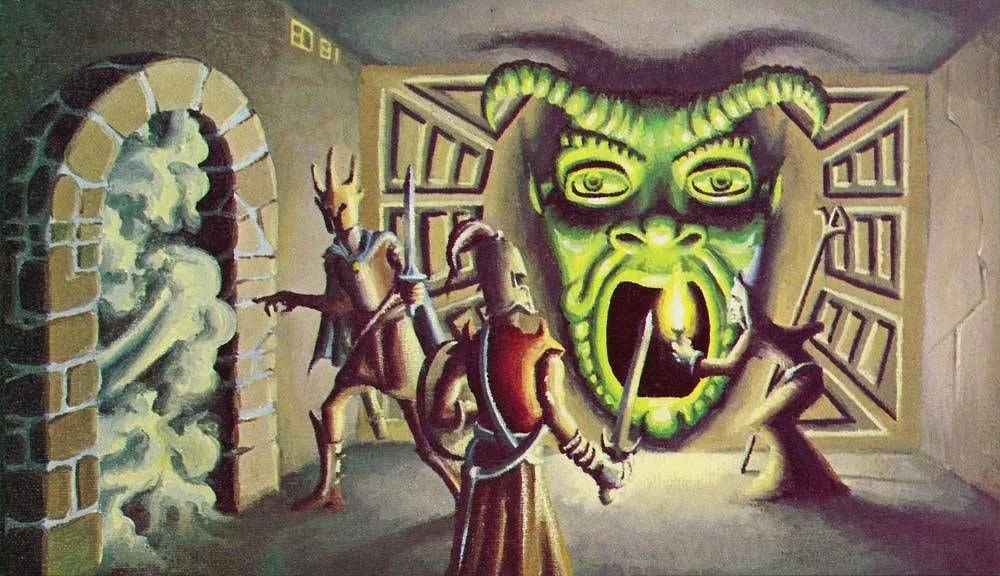
Erol Otus’ illustrations for the 1981 edition of Dungeons & Dragons are about as iconic as you can get, almost as iconic as the Tomb of Horrors itself.
The Cores of Loresai emerge primarily through visual representations, so illustration is the clearest place to begin. Many will point to the work of Frank Frazetta and Boris Vallejo as the primary artists of fantasy at the end of the Terrestrial age, but their work has little of the elegance or hominess that the Cores bring. Instead we must look to the work of Alex Niño, Brian Froud, Angus McBride, William Stout and even lesser known artists like Erol Otus and Bill Willingham who contributed art to the 1981 edition of the D&D basic and expert rules.
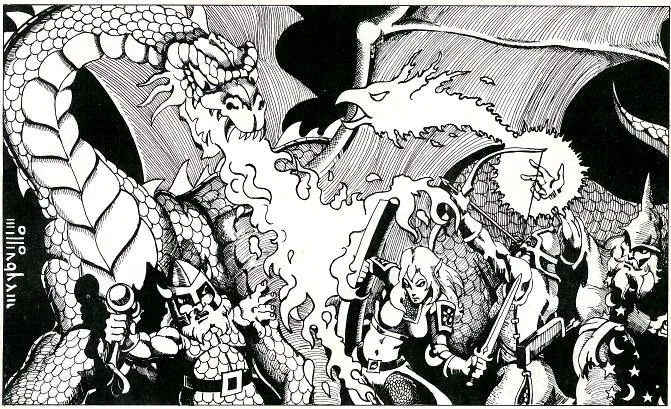
Bill Willingham, like Erol Otus, was a master of the gentler form of Sword & Sorcery that is more in keeping with the Cores of Loresai.
There is a great deal of incidental art inspired by the Cores of Loresai, however, that was produced by various artists for vans, menus, posters and so on. Such art was so significant that it was referenced in the Pixar animated feature Onward (2020). That this film emerged during the conjunction at the beginning of the third chronognomon of this Age is significant considering its themes of legacy, optimism, and the conflict between industrialized institutionalism and resourcefulness grounded in individual freedom. Onward is, nevertheless, a derivative work that references the Cores of Loresai without actually evincing them.
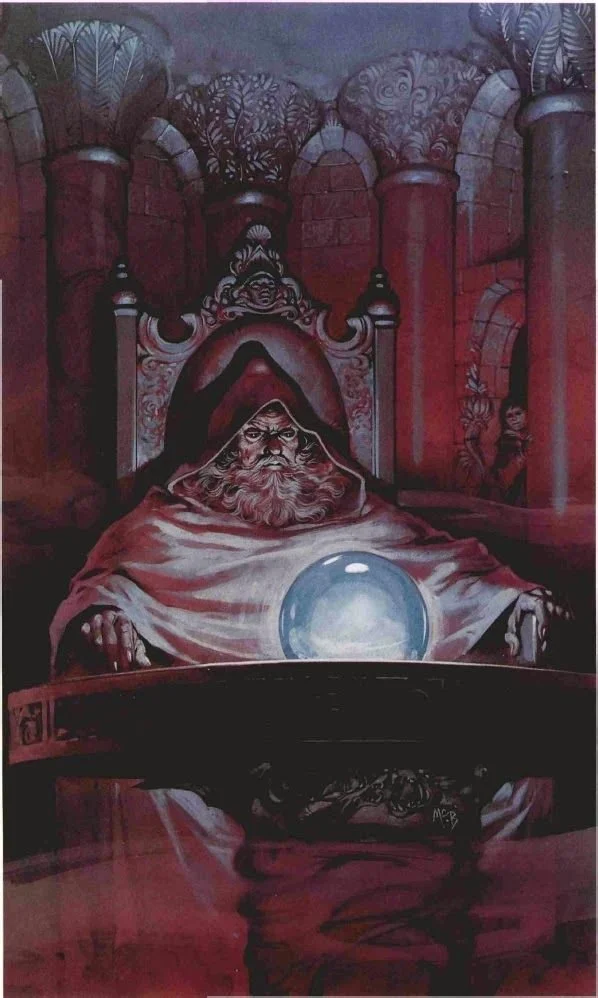
Angus McBride was a master of bringing naturalism to the Cores of Loresai, but this is often the most misleading interpretation of all. Sometimes, the less naturalistic is the more truthful.
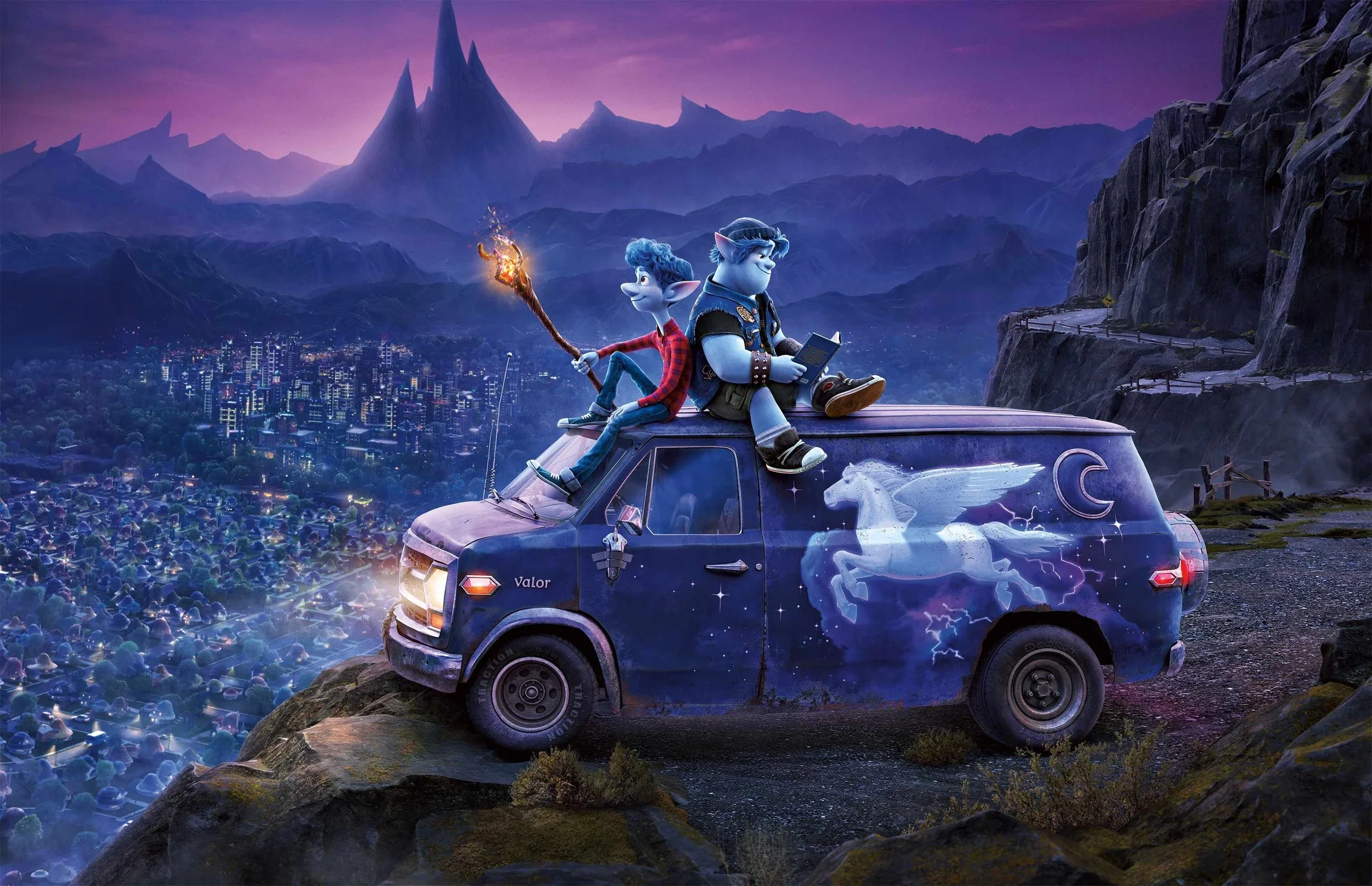
In many ways, Onward is a celebration of the Cores of Loresai even as it does not really understand them. It at least presumes them in order to tell its story.
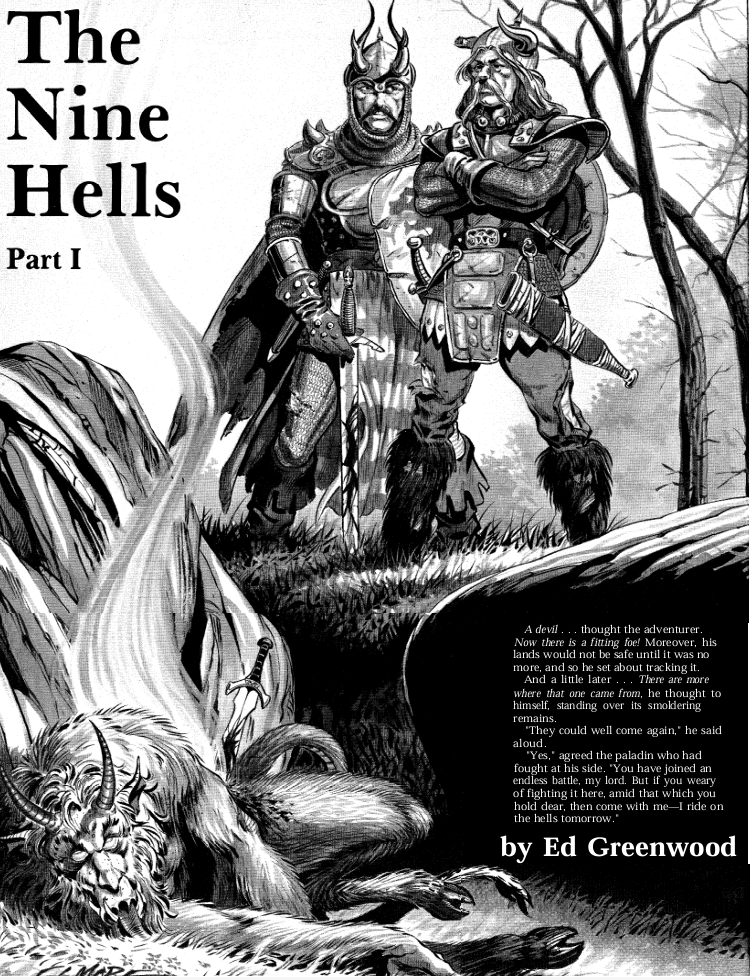
This image by Larry Elmore for an article in Dragon Magazine no. 75 is harsher, but the Cores of Loresai are to be sensed in how the text and the image interweave.